Sirians
The Feline Urmah
The Dogon Enigma
“The Dogon told us that Sirius has a companion star that is invisible to the human eye. They described its orbital period as fifty years — the actual figure is 50.04 years. They knew this before any telescope on Earth could confirm it.”
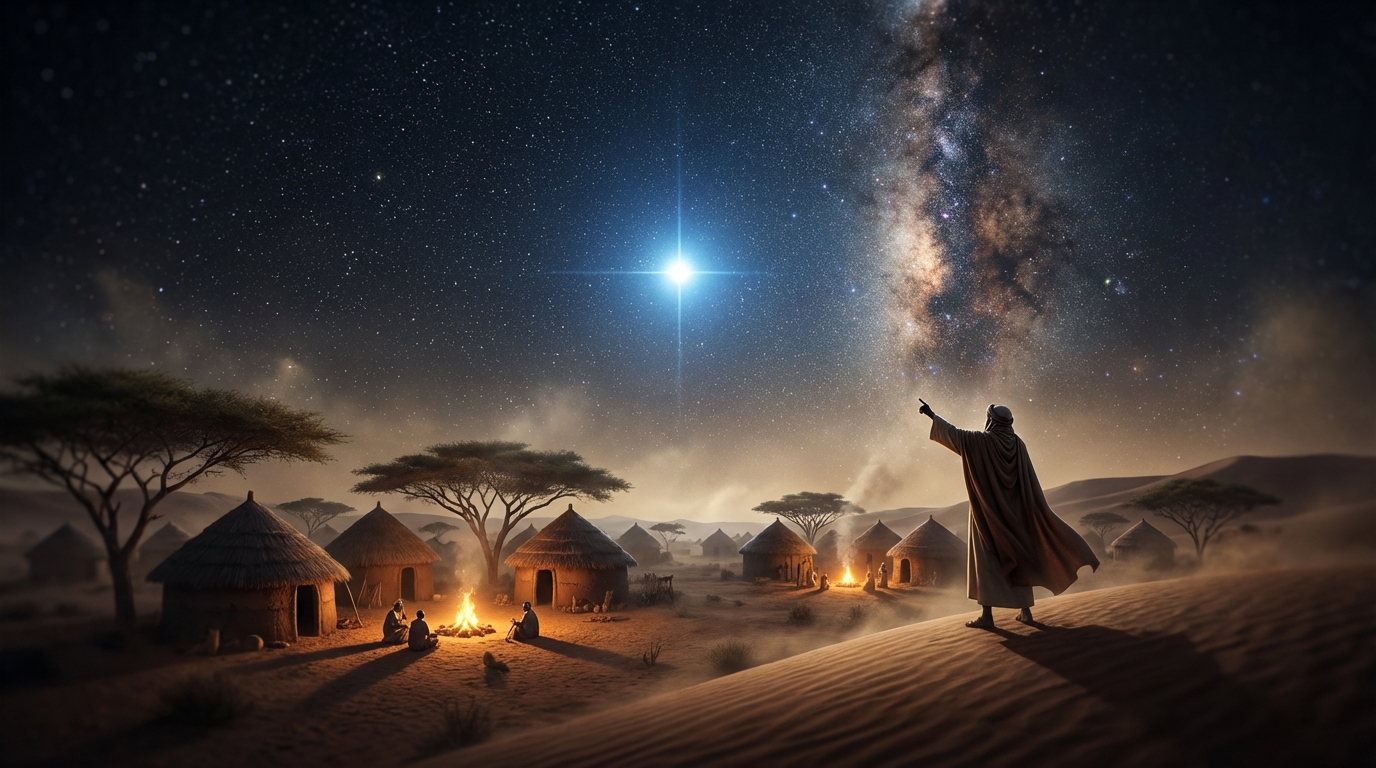
— Marcel Griaule & Germaine Dieterlen, ethnographic field notes, 1930s–1950sSirius is the brightest star in the night sky. It has been that way for all of recorded human history, and almost certainly for tens of thousands of years before that. Every major civilization noticed it, named it, built temples aligned to it. The Egyptians based their entire calendar around its heliacal rising. But the Dogon people of Mali did something no ancient culture should have been able to do: they described a companion star orbiting Sirius — a white dwarf called Sirius B — that is completely invisible to the naked eye. They knew its orbital period. They knew it was extraordinarily dense. They said beings from this system taught them.
In contactee and channeled accounts, the beings associated with the Sirius system are described as the Urmah — feline humanoids with distinctly cat-like features. Slit pupils. Pointed ears. Tails. Some accounts describe whiskers and fur-covered faces; others present them as more humanoid with subtle feline characteristics. The word “Urmah” itself is said to derive from Sumerian, meaning both “lion” and “great warrior” — a curious dual meaning that echoes through the ancient world’s obsession with lion imagery.
And that obsession is difficult to overstate. Ancient Egypt elevated the lion to divine status. The Sphinx — originally perhaps a lion in full, before its face was recarved — guards the Giza plateau. The goddess Sekhmet, lion-headed destroyer and healer, was one of the most feared and revered deities in the Egyptian pantheon. Bastet, the cat goddess, was worshiped so fervently that killing a cat was punishable by death. The Egyptians aligned their most important temples to Sirius and placed lion guardians at their gates. Coincidence layers upon coincidence until the question stops being “is there a connection?” and starts being “why does the same pattern appear everywhere?”
The Starseed community identifies Sirian souls as old, steady presences — beings drawn to nature, to animals, to the ocean. They are described as quiet guardians rather than dramatic interventionists, more inclined to observe and gently guide than to announce themselves. In the broader framework of alleged alien species, Sirians are positioned as allies of the Pleiadians and members of the Galactic Federation, working to assist Earth’s spiritual evolution from a respectful distance.
What makes the Sirian narrative compelling is its anchor point. The Dogon knowledge of Sirius B is not easily explained away. Various debunking attempts have been made — contamination from European visitors, coincidental mythology — but none have fully accounted for the specificity of the Dogon’s astronomical knowledge, recorded before Sirius B was widely known in the West. The brightest star in our sky, and the one culture after culture associated with otherworldly beings. Whatever the Dogon knew, they knew it before we did. The question is how.
Further Reading
- Marcel Griaule & Germaine Dieterlen — The Pale Fox
- Robert Temple — The Sirius Mystery (1976)
- Ancient Egyptian religion — Sekhmet, Bastet, and stellar alignments
- Dogon cosmology and the Nommo traditions