
The Angel of the Lord
The Divine Theophany
Exodus 3:2
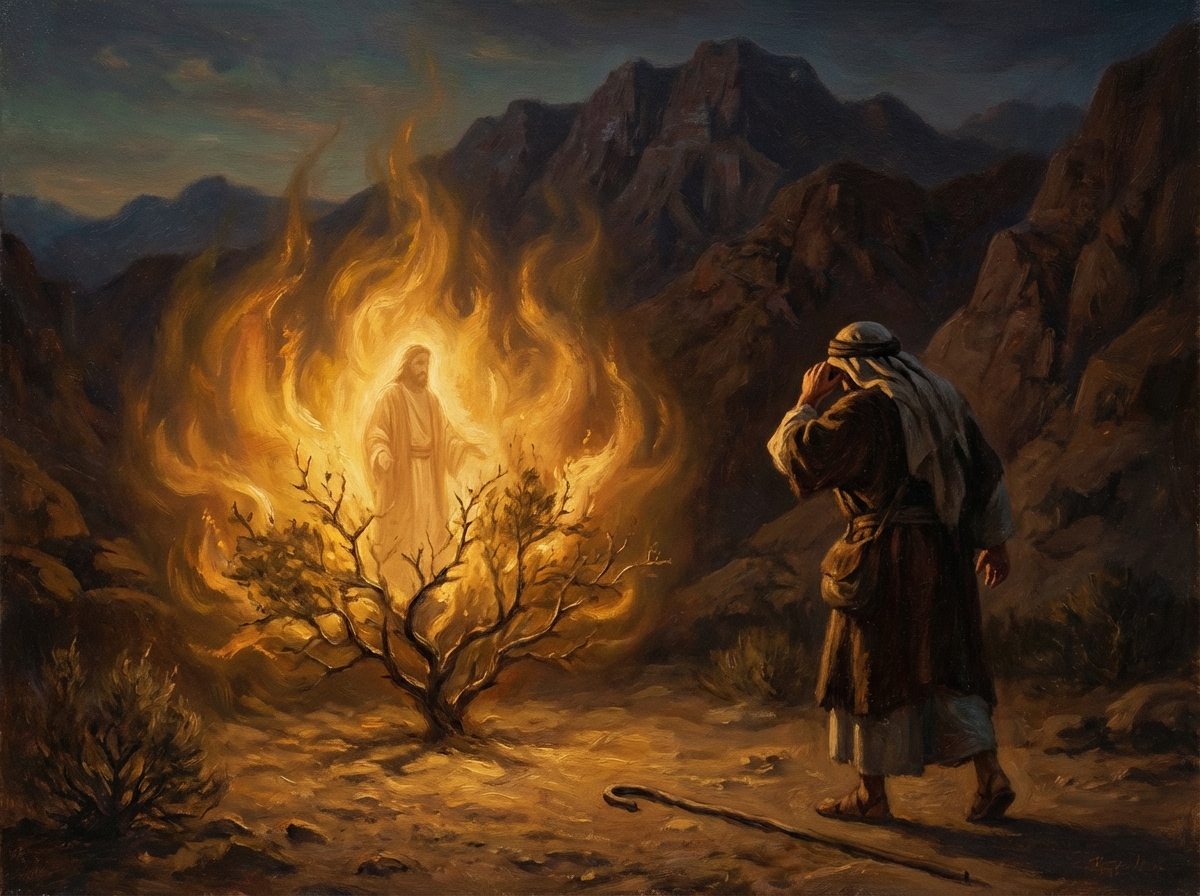
And the angel of the Lord appeared to him in a flame of fire out of the midst of a bush. He looked, and behold, the bush was burning, yet it was not consumed.
— Exodus 3:2 (ESV)Genesis 16:13
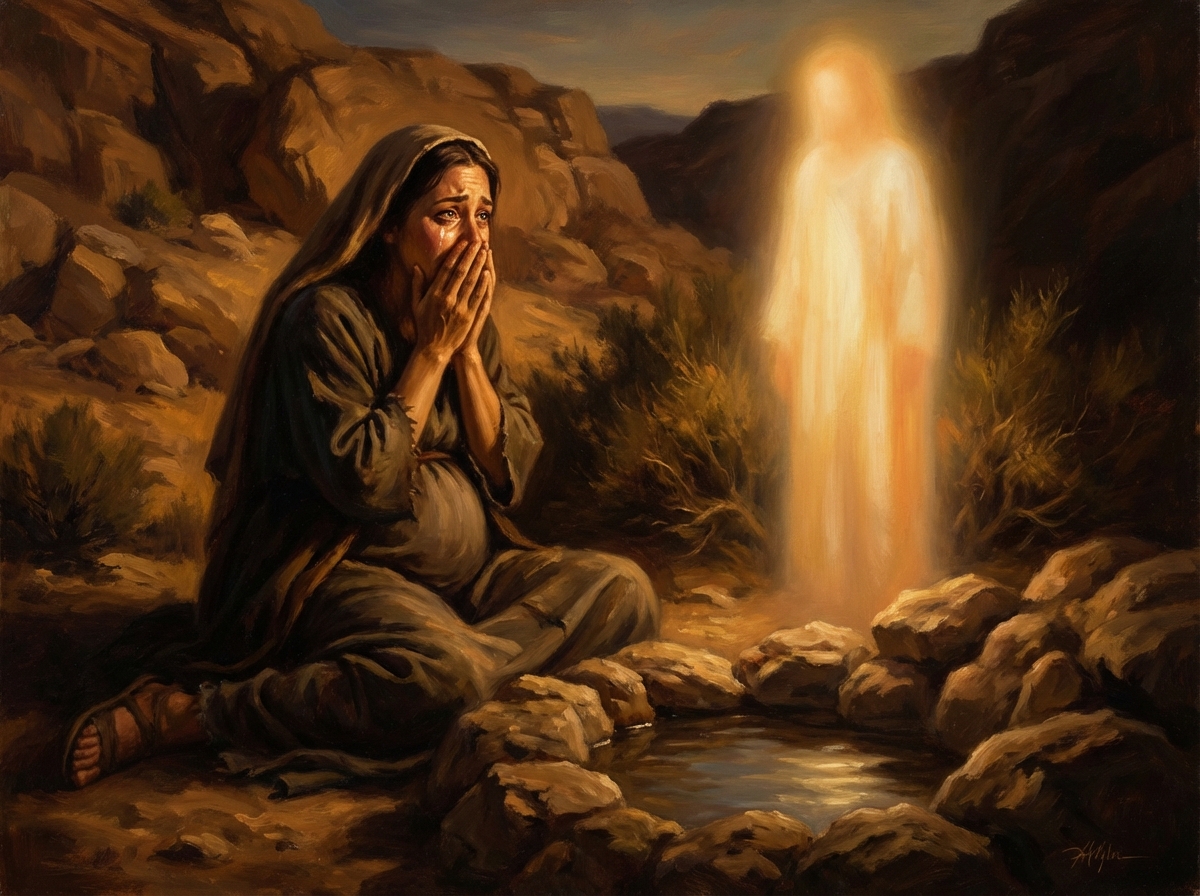
So Hagar called the name of the Lord who spoke to her, “You are a God of seeing,” for she said, “Truly here I have seen him who looks after me.”
— Genesis 16:13 (ESV)The Angel of the Lord (Malakh YHWH) is one of the most mysterious figures in the Old Testament. Unlike other angels who deliver messages on God's behalf, this figure frequently speaks as God, in the first person, and is identified with God by those who encounter him — yet is also described as distinct from God.
This angel appears to Hagar in the wilderness and promises to multiply her offspring greatly — a promise only God can make. Hagar responds by giving God a name, recognizing that she has seen the divine. At the burning bush, the Angel of the Lord appears to Moses, yet it is God himself who speaks from the flames. To Gideon, the angel appears under an oak tree and commissions him to save Israel; when Gideon realizes who has spoken to him, he fears for his life, believing he has seen God face to face.
Many theologians interpret this figure as a pre-incarnate appearance of Christ — a theophany, God making himself visible in angelic form. Others see him as a unique ambassador who carries the full authority and presence of God. In either reading, the Angel of the Lord occupies a singular place in Scripture: the boundary where the invisible God becomes visible, where heaven touches earth.
Further Reading
- Exodus 3:2–6
- Genesis 16:7–13
- Judges 6:11–24
- Genesis 22:11–18
- Numbers 22:22–35